
Stop Blaming Willpower: Understand & Conquer Food Cravings
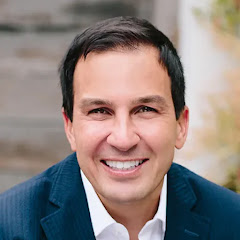
Many of us have experienced that familiar feeling: a couple of hours after a meal, the thought of needing another snack, particularly something sweet, creeps into your mind. It might strike around 3 PM at work, leading you to eye the vending machine or the office breakroom candy. This persistent urge often leaves people feeling frustrated, believing they lack willpower. Yet, as Dr. Steven Gabriel, a board-certified physician and metabolic health expert, reveals, these intense food cravings are not a failure of self-control; they are a neurobiological phenomenon unfolding in your brain.
The Neurobiology Behind Your Cravings
To truly understand food cravings, we must delve into the intricate chemistry of the brain. Cravings are fundamentally a neurobiological response, not unlike the mechanisms behind other addictive behaviors such as video games or social media. This system is "hacking your neuro chemistry," primarily involving three key neurotransmitters:
- **Dopamine:** This anticipation and reward neurotransmitter surges when your brain merely thinks about the desired food. It primes your brain for the impending experience.
- **Opiates:** When you consume ultra-processed, sugary, high-caloric foods, your brain releases opiates, creating a sensation of pleasure.
- **Serotonin:** Following consumption, serotonin fires, providing a sense of relief.
These three systems, once triggered repeatedly, become synchronized. As Dr. Gabriel states,
I hate to say it this way, it kind of owns you.
However, becoming aware of this process is the first step toward regaining control and understanding that this is not a personal failing.
The Four-Part Craving Cycle Explained
Groundbreaking research in recent decades has precisely defined the universal cycle underpinning all cravings and addictions. This isn't just about food; it's a fundamental process that applies to anything that hijacks our brain's reward system. Dr. Gabriel outlines a distinct four-part cycle:
- **Binging:** This is the initial stage where you consume a large amount, often more than intended, of the craved substance.
- **Withdrawal:** When the substance is absent, you experience a physiological or psychological withdrawal process, creating a sense of unease or discomfort.
- **Craving:** This is the intense anticipation and urge to consume the substance again, driven by the brain's desire for the pleasure and relief it associates with it.
- **Sensitization:** As this cycle repeats, your brain becomes increasingly desensitized to the substance. This means you require greater quantities or more frequent exposure to achieve the same initial reward or relief, perpetuating the cycle and intensifying future cravings.
This definition of craving is now largely established in the literature, helping us understand why these urges feel so powerful and pervasive, affecting a significant portion of the population.
Metabolic Drivers That Intensify Cravings
While the brain's chemistry lays the groundwork, several metabolic factors significantly worsen the intensity and frequency of food cravings. Dr. Gabriel highlights critical inputs that make your brain more susceptible:
- **Insulin Resistance:** This condition leads to erratic blood sugar spikes and crashes. During the 'crash' phase, when glucose levels drop, cravings intensify dramatically as your body seeks a quick energy fix.
- **Poor Sleep:** Consistently getting less than six hours of sleep can exacerbate insulin resistance. Furthermore, it causes a desensitization and decrease in GLP-1 (a hormone that signals fullness) and reduces your sensitivity to leptin (another satiety hormone). Simultaneously, poor sleep increases ghrelin, the 'hunger hormone,' making you feel hungry more often.
- **Chronic Stress:** Persistent stress elevates cortisol levels, which in turn contributes to insulin resistance and significant blood sugar swings. High cortisol also impairs GLP-1 sensitivity, making you more prone to giving in to impulsive cravings for comfort foods. Managing stress is a powerful tool to decrease these urges.
These interconnected factors create a vicious cycle, making it harder to resist the siren call of highly palatable foods.
Practical Strategies to Manage Food Cravings
The good news is that understanding the neurobiological nature of cravings empowers you to manage them. Dr. Gabriel offers actionable steps, tested with patients, to effectively decrease both the intensity and frequency of these urges:
- **Stop labeling it as a willpower problem.** This reframe is crucial; it shifts control back to you by acknowledging it's a biological process you can influence.
- **Identify the craving.** Simply acknowledging 'I'm having a craving' in your mind is the first conscious step to breaking the automatic response.
- **Have alternatives ready.** Instead of succumbing, be prepared with healthy substitutes. A fiber drink can buy time and provide an oral fixation. Natural alternatives like carrots, celery, or broccoli, while not what you're initially craving, teach your brain to accept different inputs.
- **Buy time.** These alternatives help normalize your glucose levels, allowing the intense craving to subside. Over time, consistently choosing alternatives will reduce the frequency and intensity of future cravings.
Remember, the goal isn't necessarily to eliminate all cravings overnight, but to decrease their power and frequency. This shift in approach takes consistent effort, typically showing significant results within four to six weeks. By creating a dedicated 'craving-ready' spot in your fridge or pantry, you set yourself up for success, leading to improved metabolic health and a balanced GLP-1 system.
Your Craving Questions Answered
Are food cravings a sign of weakness or poor willpower?
Absolutely not. Food cravings are a deeply rooted neurobiological response involving specific brain chemistry, not a personal failing or lack of self-control.
What specific brain chemicals drive food cravings?
Three primary neurotransmitters are involved: dopamine for anticipation and reward, opiates for pleasure upon consumption, and serotonin for the subsequent feeling of relief.
How do factors like sleep and stress contribute to stronger cravings?
Poor sleep worsens insulin resistance, reduces satiety hormones like GLP-1 and leptin, and increases hunger hormones like ghrelin. Chronic stress elevates cortisol, also leading to insulin resistance and intense urges for comfort foods.
How long does it typically take to see results from managing cravings?
With consistent application of strategies like identifying cravings and using healthy alternatives, you can expect to see a noticeable reduction in the intensity and frequency of cravings within four to six weeks.
Take Control of Your Metabolism
The most crucial takeaway is this: food cravings are not a reflection of your willpower. They are a neurobiological input, a sophisticated 'brain hack' influenced primarily by factors like chronic stress, poor sleep, engineered foods, and insulin resistance. Understanding this empowers you to regain control over your metabolism and your health. Dr. Steven Gabriel | Metabolic Health offers further insights and resources to help you on this journey, including a free metabolic assessment to pinpoint your primary areas for improvement.
This article is based on this video by Dr. Steven Gabriel | Metabolic Health. Written and published automatically with BlokStreams.
Comments
Be the first to comment.